The following is my speech from a memorial for my mother held on November 19, the day after her what would have been her 76th birthday.
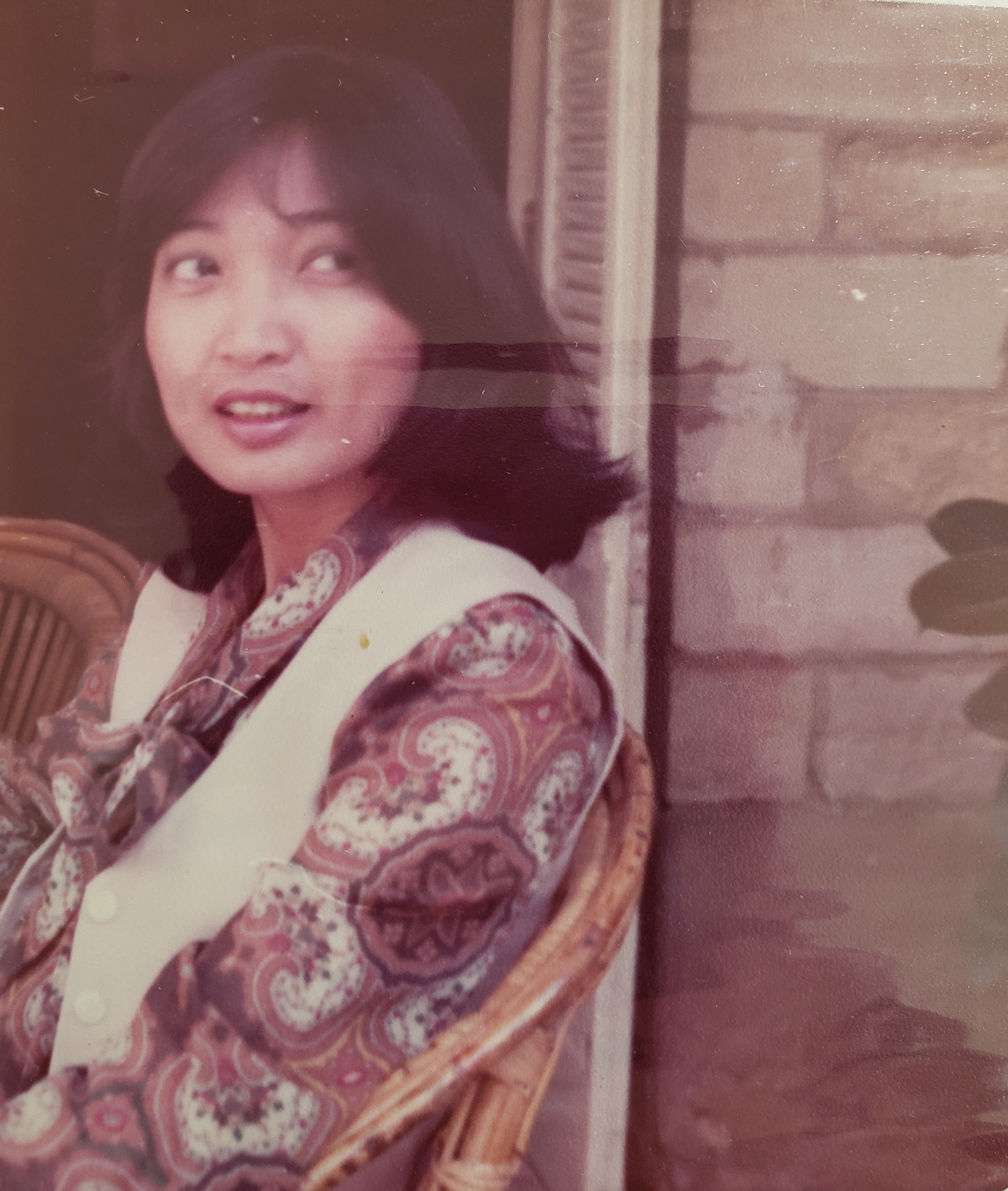
I want to remember my mother, and I want to remember her with you, together. I want to tell the truth, my truth; I want to hear your truth as well, and weave them together into a single garment; and I don’t want the biggest truth to get lost. The biggest truth is that she is loved, she is missed, and she is cherished.
I have a pretty good memory from adolescence on, but before that, especially before my father died, is pretty fuzzy. One of the earliest specific moments that I can retrieve of my mother is of us playing in a swimming pool together. I remember floating on my back and her pulling me along through the water, and just beaming down at me with love. I must have been around 7 or 8–making her about the age I am now–because I can recall being young enough to bask in my mother’s love, but old enough to feel embarrassed by it. The ache of this tension feels symbolic of how we would struggle to feel close with each other throughout life.
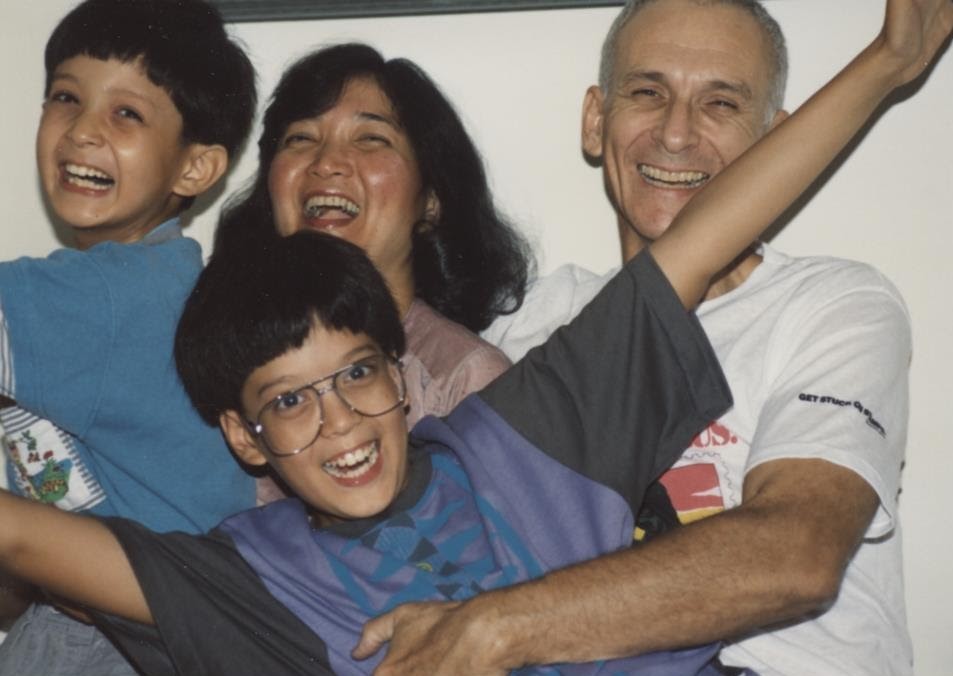
For better and worse, my father’s passing was a demarcation point in all our lives, changing us as individuals and in our relationships with each other. I want to tell the truth about the pain of this, the way our relationship gnarled like a tree around a fence. My mom would tell me that I was her pride and her joy; still it was hard not to feel that I was hurting or disappointing her with my failure to excel at school, that tentpole of prudence that seemed to be our most core family value. I could offer my mother tender care by plugging in her hair curlers for her in the morning before she woke, or having the dishes washed and table set when she got home from work. But the psychological injury of losing one parent had pinioned my ability to be emotionally expressive with the one that remained; as often as my mother would tell me she loved me, it was years before I could say it back again. Thus gnarled the branch, back and forth.
The critical thing to know is that the branch found its way. It’s easy to see in retrospect, but in the moments as they were lived this was never a foregone conclusion. My mother lauded my sensitivity and creativity; yet I found it difficult to feel seen by her. I did not flout getting a college education to start a band, though I did finagle that time of my life towards making some pretty weird art and sowing the seeds of my future queerness and leftism. And each time I ‘came out’ to her again–as polyamorous, as transgender–I braced myself for the possibility that this, this was a bridge too far. It never was.
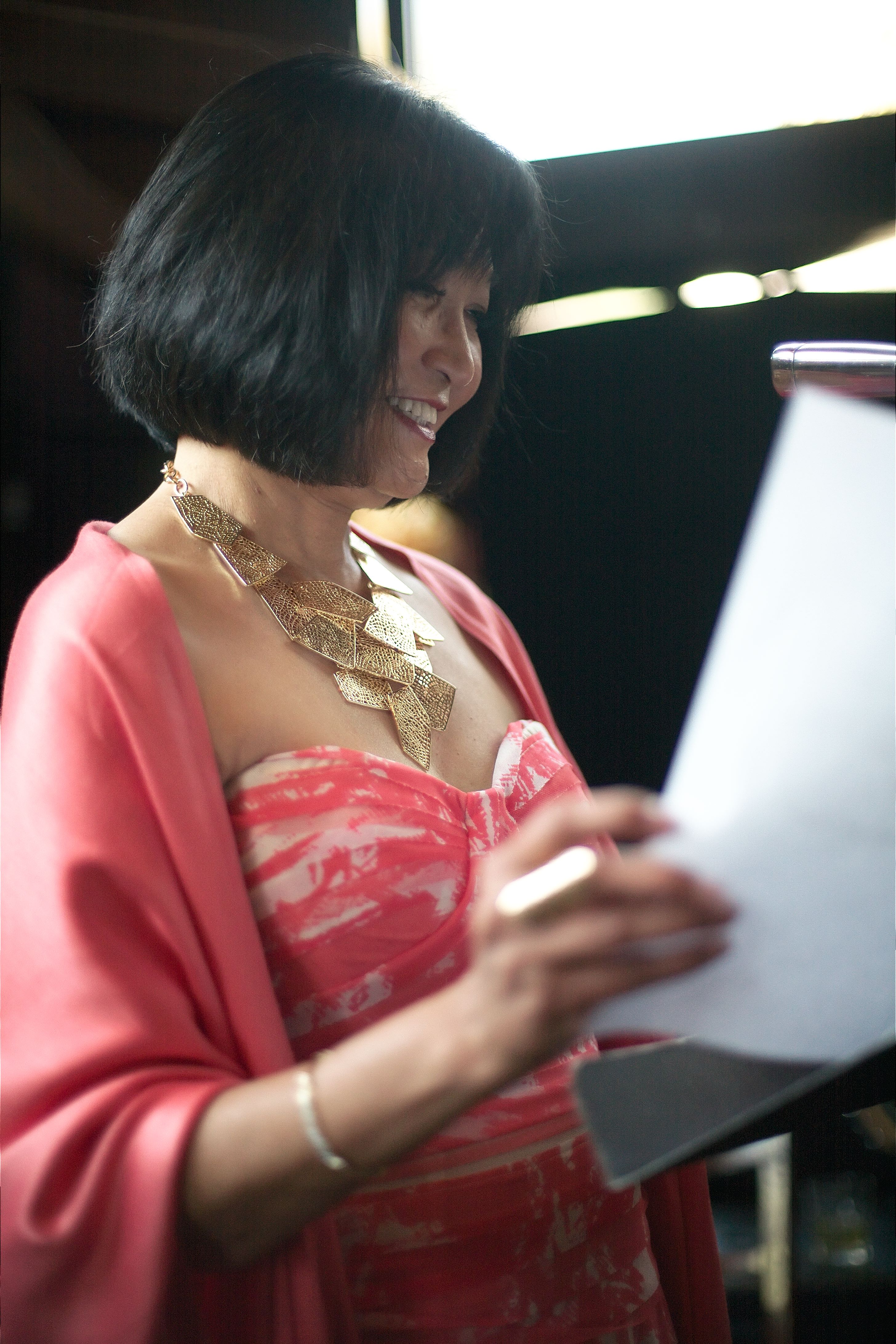
At the same time, there were limits. When my personal and political development led me to wanting to trace back through history to ancestral roots, it was hard to elicit much about her childhood and adolescence in the Philippines. I think we were both a bit vexed and perplexed by this; it wasn’t until near the end of her life that she connected the dots for the both of us. That in order to be true to her own heart, she had had to leave so much behind. When I did the same thirty years later, she wouldn’t begrudge me that; but in turn, I had to honor that, while she had no wish to withhold anything from me, the world she had the most ready access to was the one she had built for herself.
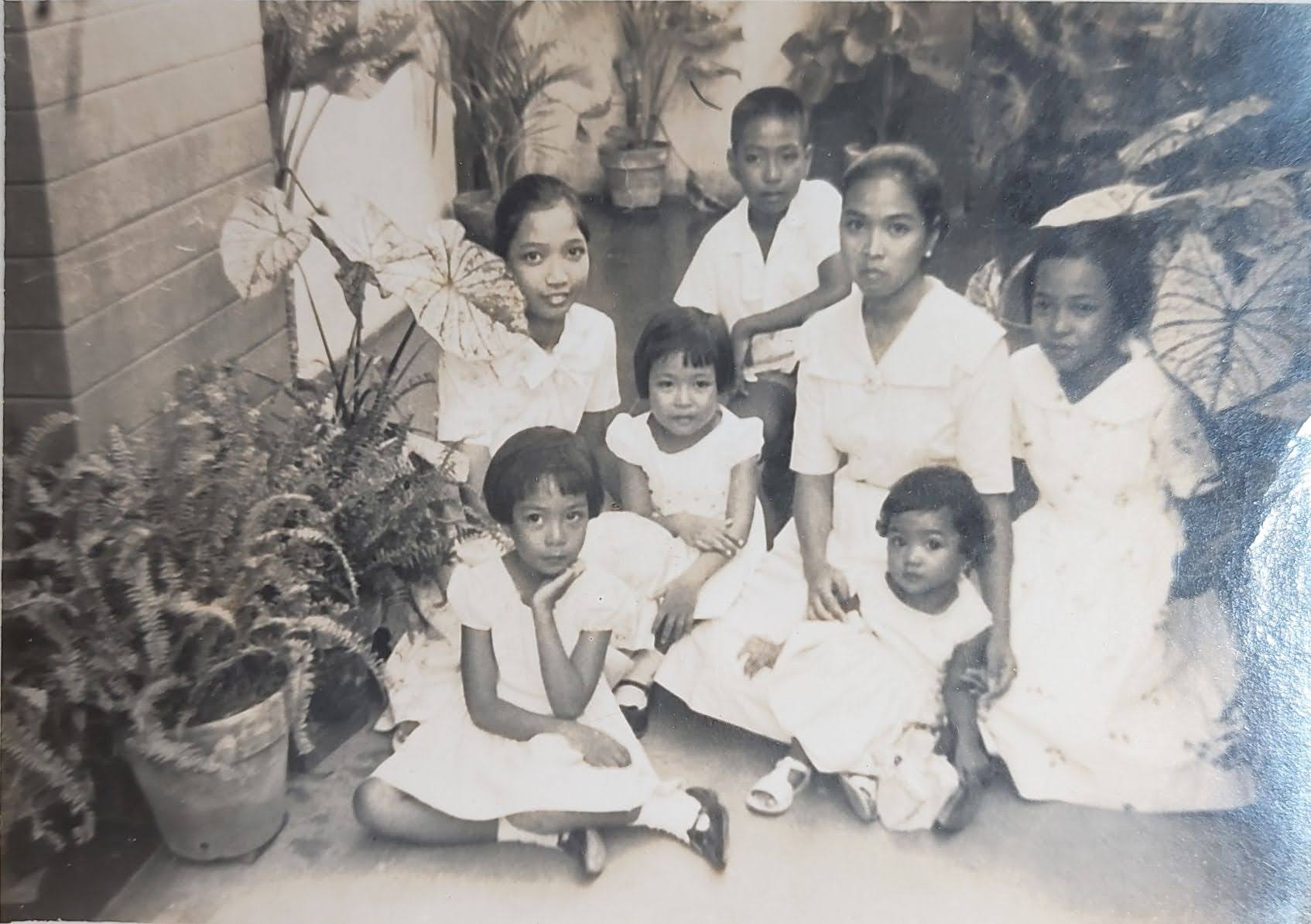
Still the branch wove and wended. This circuitousness is a challenge for my emotional and relational style, which has become something quite direct. What we eventually figured out together, without ever saying it out loud, is that we got the most mileage from a sort of ‘walking alongside’ one another. Rather than me grilling her to dredge her memory for some unknown detail decades in the rearview, talking about something like what we were each making for dinner might lead us to surprisingly rich and connective territory about how we each grew and learned and taught ourselves to be who we were, who we wanted to be.

And something that feels clearer now, after the end of her life, is that academic or professional success was never the prime value as an end unto itself. It was a means, a vehicle for securing and protecting other values which were conveyed more subtly, that also told about who we were, or aspired to be. That we’re loyal, and hardworking, and resourceful. That we take care of our people, and our things. But also that isn’t all drudgery and sacrifice: that we like nice things, the pleasures of life. My mother was so grounded in these core truths that she was able to take in the rough odds of the last chapter of her life, and commit to playing them out with honestly startling equanimity and grace, heeding the simple logic, “There is so much to live for.”

In the end, I got two decades of adulthood to really choose how I wanted to relate to my mother. As critical or dissatisfied as I might have felt at many points along the way, I’m so grateful for all of it now. By the end, our relationship was the best it had ever been. The truth, then, one more time. My mother and I struggled to feel close with each other throughout life. Struggled: meaning that we strived, tired, jostled, contended; but not to say that we failed. We had our moments, and these were enough and are enough. My mother herself was enough: strong enough, loving enough, tender enough, tough enough. She was more than enough. And she is loved, and she is missed, and she is cherished.
 Amina Shareef Ali